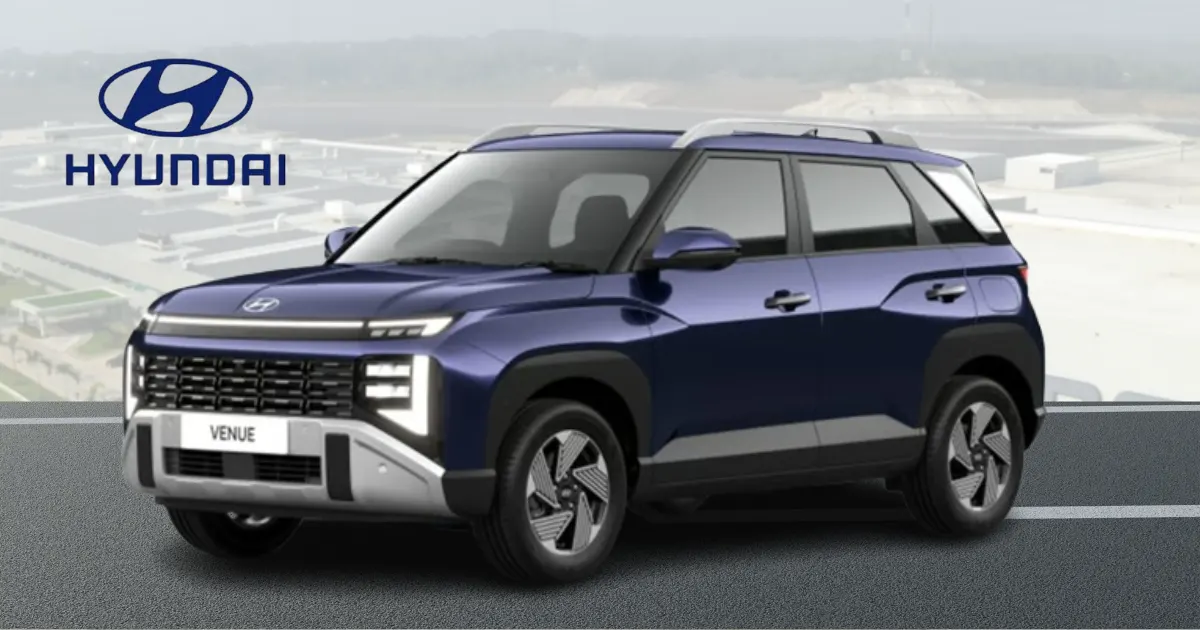
A Bold Shift That Signals Hyundai’s Next Phase
Hyundai Motor Company’s Hyundai 36 new models plan 2030 is shaping up to be one of the most ambitious expansion strategies in the global auto industry. The company is now pushing aggressively to become a dominant force in the United States, one of the world’s most competitive automotive markets.
At the heart of this plan is a strong localization push. Hyundai aims to ensure that 80% of the vehicles it sells in the U.S. are built domestically by 2030, along with achieving 80% local supply chain content. This is not just about manufacturing cars closer to customers. It is about rethinking the entire ecosystem, from sourcing raw materials to final assembly.
This move comes at a time when global automakers are dealing with rising geopolitical tensions, tariff uncertainties, and supply chain disruptions. Hyundai’s approach is simple but effective, reduce dependency on imports and build a more resilient, locally integrated operation in the United States.
Why Hyundai Is Doubling Down on Localization
For years, Hyundai relied heavily on exports to serve international markets. That model worked well in stable trade environments, but the last few years have exposed its limitations. Shipping delays, semiconductor shortages, and fluctuating trade policies have forced automakers to rethink their strategies.
By shifting to local production, Hyundai can:
- Cut down logistics costs significantly
- Avoid import duties and tariff risks
- Respond faster to changing customer demand
- Improve overall profit margins
More importantly, this move allows Hyundai to compete directly with established American giants like Ford Motor Company and General Motors, not as an outsider, but as a locally rooted player.
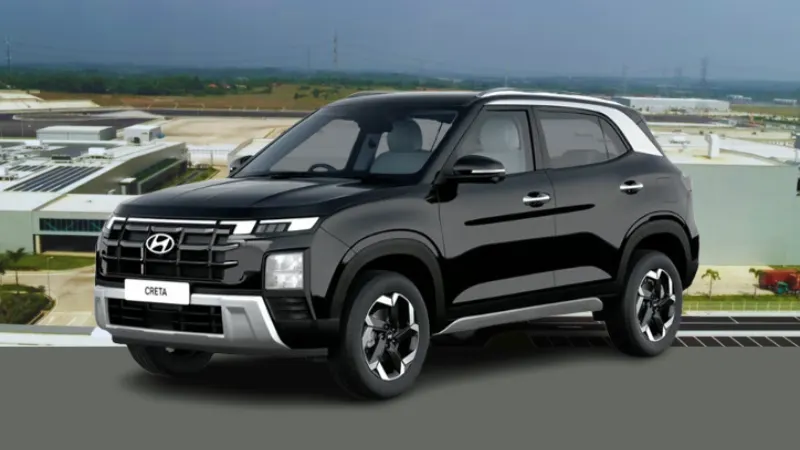
Hyundai 36 New Models Plan 2030 Most Aggressive Product Offensive Yet
If the localization strategy is the backbone, the product pipeline is the muscle. Hyundai plans to introduce 36 new or significantly updated models across North America between 2026 and 2030. This is one of the most aggressive rollout plans in recent automotive history.
Entering New Segments
Hyundai is clearly aiming to plug gaps in its portfolio. The upcoming lineup will likely include:
- A body-on-frame midsize pickup truck, a segment hugely popular in the U.S.
- A commercial van, targeting last-mile delivery and logistics businesses
- A rugged off-road SUV, inspired by concept vehicles like the Crater
- A sporty model designed to attract performance enthusiasts
This expansion shows Hyundai is not just adding more cars, it is entering segments where it previously had little or no presence.
Powertrain Diversity Is the Key
Instead of betting everything on electric vehicles, Hyundai is taking a balanced approach. The upcoming models will include:
- Internal combustion engine vehicles
- Hybrid options
- Battery electric vehicles
- A new Extended-Range Electric Vehicle (EREV) technology
The EREV is particularly interesting. Hyundai claims these vehicles could deliver over 600 miles of range, with launch expected around 2027. If executed well, this could address one of the biggest concerns among EV buyers, range anxiety.
Sub-Brand Expansion
Hyundai is also doubling down on its niche sub-brands:
- XRT variants for off-road enthusiasts
- N performance models for driving enthusiasts
This helps the brand appeal to a wider audience, from adventure seekers to performance lovers.
ALSO READ: Hyundai Verna Facelift vs Honda City: Best Sedan Under Rs 15 Lakh?
$26 Billion Investment: Building the Infrastructure
Such an ambitious plan needs serious financial backing, and Hyundai is putting its money where its mouth is. The company has committed $26 billion in U.S. investments, covering manufacturing, supply chain, and advanced technologies.
Key Facilities Driving Growth
Metaplant America in Georgia
This is Hyundai’s flagship EV and battery production hub. Once fully operational, it is expected to produce up to 500,000 vehicles annually by 2028. This facility will play a crucial role in Hyundai’s EV ambitions.
Alabama Manufacturing Plant
Already a key production center, this plant continues to build popular models like the Tucson and Santa Fe. It will remain a core part of Hyundai’s U.S. operations.
Localized Supply Chain Development
To meet its 80% localization target, Hyundai is investing in:
- A new steel plant in Louisiana
- Regional supplier networks
- Advanced robotics and automation systems
Technology Push: Beyond Traditional Automaking
Hyundai is not just expanding physically, it is evolving technologically. The company is positioning itself as a smart mobility solutions provider, a shift that goes far beyond building cars.
Strategic Partnerships and Innovations
- Collaboration with Waymo to develop autonomous robotaxis based on existing EV platforms
- Partnership with Nvidia for AI-driven manufacturing and in-car systems
- Integration of advanced robotics from Boston Dynamics to improve production efficiency
Software-Defined Future
Hyundai is also investing heavily in software:
- New vehicle architecture for continuous updates
- Over-the-air (OTA) feature upgrades
- Personalized user experiences
This shift ensures Hyundai stays competitive in a future where software will define the car ownership experience as much as hardware.
ALSO READ: ₹7 Lakh SUV Comparison Tata Punch vs Hyundai Exter, Which One Should You Buy?
What This Means for Customers
For buyers, Hyundai’s strategy translates into tangible benefits:
- A wider range of vehicles across price segments
- Faster availability due to local production
- Competitive pricing
- Access to advanced technology and features
In simple terms, customers get more choice, better tech, and potentially better value.
Final Verdict
Hyundai’s North America strategy is not just ambitious, it is transformative. By combining large-scale investment, aggressive product expansion, and a strong focus on localization, the company is positioning itself for long-term success in the U.S. market.
If everything goes according to plan, Hyundai could emerge not just as a strong competitor, but as a leader in the next era of mobility, where manufacturing strength and technological innovation go hand in hand.
FAQs
What is Hyundai 36 New Models Plan 2030 for the U.S.?
Hyundai plans to produce and source 80% of its U.S.-sold vehicles locally by 2030.
How many new models will Hyundai launch?
The company will introduce 36 new or updated models across North America between 2026 and 2030.
What is Hyundai’s EREV technology?
It is a new extended-range electric system expected to deliver over 600 miles of driving range.