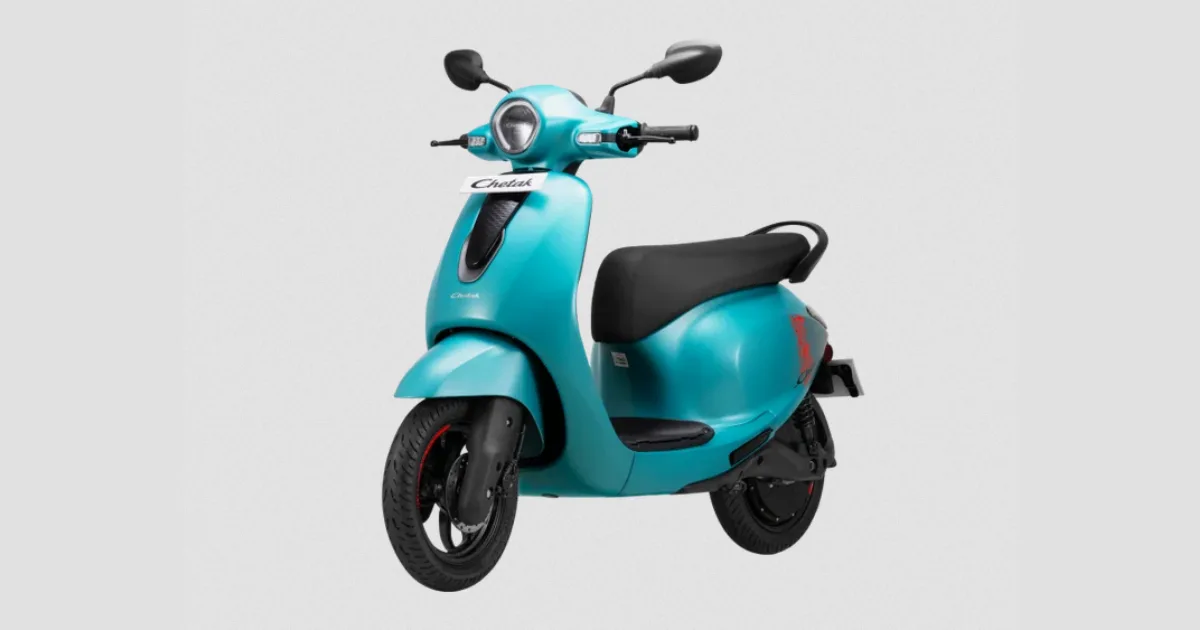
If you’ve been planning to switch to an electric scooter in India, the 2026 Bajaj Chetak has probably caught your attention and for good reason. Bajaj has taken a very calculated approach this time. Instead of just refreshing the design, the brand has worked on the areas that actually matter to daily users: pricing, performance, charging time, and features.
The biggest talking point is that the entry-level variant is now more affordable than before, making the 2026 Bajaj Chetak a much stronger option for first-time EV buyers. At the same time, Bajaj hasn’t ignored premium customers either, as the higher variants now offer better tech and improved battery performance. So whether you’re upgrading from a petrol scooter or entering the EV space for the first time, this update feels more relevant than ever.
Variants & Pricing – Something for Every Budget
Bajaj has expanded the lineup to make the scooter more accessible across different price points. The 2026 Bajaj Chetak is now available in five variants:
- C2501
- 3001
- C3501
- C3502
- 3503
On-road Prices (Delhi):
| Variant | Price (₹) |
|---|---|
| Chetak C2501 | ₹98,611 |
| Chetak 3001 | ₹1,07,986 |
| Chetak C3501 | ₹1,48,552 |
| Chetak C3502 | ₹1,36,260 |
| Chetak 3503 | ₹1,21,429 |
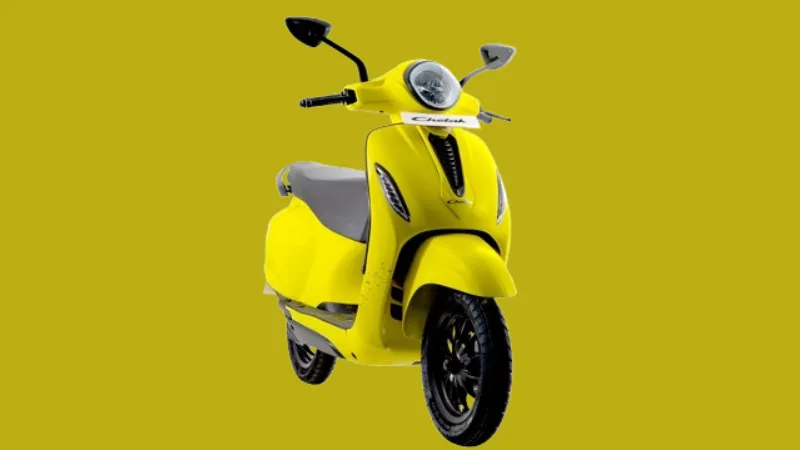
The strategy here is simple bring in more buyers with a cheaper base variant while offering premium upgrades for those willing to spend more. And honestly, it works. The entry-level model now feels like a sensible urban commuter option, while the higher trims target buyers looking for a more feature-rich experience.
Performance – Finally Feels Adequate for City Riding
One of the biggest criticisms of earlier models was performance—it felt slightly under powered in real-world traffic. Bajaj seems to have addressed that with the 2026 Bajaj Chetak.
Here’s how the performance looks now:
- C2501 → Top speed of 60 kmph (earlier 55 kmph)
- 3001 & 3503 → Top speed of 70 kmph
- C3501 & C3502 → deliver a top speed of up to 80 kmph
This may not sound dramatic on paper, but in everyday riding, it makes a noticeable difference. The scooter feels less stressed, especially during overtakes or when riding with a pillion. For city use, this is more than enough, and it finally removes the “slow scooter” tag that the Chetak carried earlier.
ALSO READ: Bajaj Chetak Price, Range And Features (2026) – A Smart Urban EV Choice
Battery & Charging – Practical Improvements That Matter
Battery and charging are where EV buyers pay the most attention and rightly so. Bajaj has made meaningful upgrades here as well.
The top-spec C3501 variant now gets a larger 4.8 kWh battery, compared to the earlier 4.5 kWh unit. This should translate into better real-world range and more consistent performance over longer rides.
Charging time has also improved significantly. The 3001 variant can now go from 0 to 80% in just 2 hours and 55 minutes, which is nearly an hour quicker than before. In daily life, this means you can plug it in at work or overnight and not worry about long wait times.
For most urban users, this makes the 2026 Bajaj Chetak far more practical than its predecessor.
Features – Smarter Than Before
Bajaj has also worked on improving the feature list, especially to match modern EV expectations.
Top Variants (C3501, C3502):
- Google Maps integration via smartphone
- OTA (Over-The-Air) updates
- Advanced connectivity features
Base Variants (C2501, 3001):
- Eco & Sport riding modes (now standard)
- Hill-hold assist (standard)
Still Optional:
- Turn-by-turn navigation
What’s important here is that even the base variant doesn’t feel barebones anymore. Everyday usability features are now standard, which adds real value for buyers.
ALSO READ: Bajaj Chetak 3501 Review: Is This the Best Chetak Yet?
Design & Build – Still One of Its Biggest Strengths
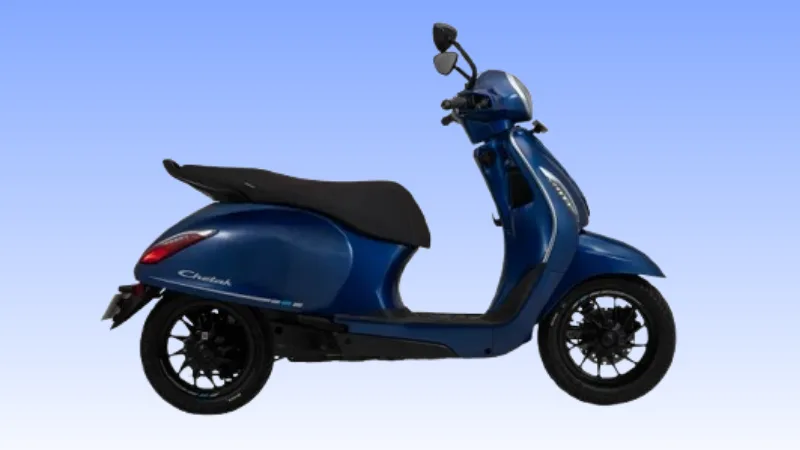
While many competitors focus heavily on flashy design, the Chetak sticks to its clean, retro-modern styling—and that’s actually a good thing. The metal body construction gives it a premium feel that most plastic-bodied rivals can’t match.
The fit and finish remain one of the best in the segment, and the overall build quality gives you confidence in long-term durability. This is one area where Bajaj clearly stands out.
Real-World Riding Experience
In daily usage, the scooter feels smooth, refined, and easy to ride. The throttle response is predictable, and the ride quality is comfortable for city roads. It’s not aggressive or sporty but that’s not its purpose either.
The 2026 Bajaj Chetak is designed for calm, stress-free commuting. If your daily routine involves office travel, short errands, or city runs, it fits perfectly into that lifestyle.
Competition – Where Does It Stand?
The Chetak competes with popular electric scooters like the Ola S1 Air, TVS iQube, and Ather 450S.
Each of these rivals offers something different:
- Ola focuses on features and performance
- Ather targets enthusiasts with sharp handling
- TVS balances practicality and reliability
The Chetak, however, takes a slightly different route. Backed by Bajaj Auto, it focuses on refinement, build quality, and trust rather than outright performance.
Pros & Cons
Pros:
- More affordable base variant
- Improved top speed across variants
- Faster charging time
- Premium metal body build
- Better standard features
Cons:
- Top variants are expensive
- Navigation still optional
- Not the most performance-focused scooter
Final Verdict – Should You Buy It?
The 2026 Bajaj Chetak feels like a well-thought-out upgrade rather than just a routine update. Bajaj has addressed key concerns—performance, charging, and pricing without compromising on its core strengths like build quality and comfort.
If you are someone who wants a reliable, premium-feel electric scooter for daily commuting, this is one of the safest choices you can make today. It may not be the fastest or most feature-packed option on the market, but it delivers where it truly matters—real-world usability.
On the other hand, if your priority is speed, aggressive acceleration, or cutting-edge tech, you might still lean towards other options. But for a balanced, dependable, and practical EV experience, the 2026 Bajaj Chetak stands out as a smart buy in today’s market.
Frequently Asked Questions (2026 Bajaj Chetak)
Q1. Is the 2026 Bajaj Chetak a good option for daily commuting?
A: Yes, if your usage is mostly within the city, the 2026 Bajaj Chetak makes a lot of sense. It’s smooth, easy to ride, and doesn’t feel tiring in stop-go traffic.
Q2. What is the cost of a Chetak EV battery?
A: Honestly, EV battery cost is something most buyers worry about. For the Bajaj Chetak, the battery replacement cost usually falls between ₹55,000 to ₹80,000, depending on the variant and battery size.
The good thing is you won’t need to replace it frequently. Bajaj has designed the battery to last long, and it also comes with a warranty, so you’re covered for the initial years.
Q3. Who is better, Ola or Chetak?
A: This really depends on what kind of rider you are.
If you want performance, fast acceleration, and more tech features, then scooters from Ola are usually better.
But if you prefer reliability, smooth ride quality, and strong build, then the Chetak feels more dependable.
In simple words:
Ola = sporty + tech-heavy
Chetak = premium + reliable daily use
Q4. How long will a Chetak battery last?
A: In real-world terms, the battery of a Chetak can last around 3 to 5 years easily if you use it properly.
Officially, Bajaj gives a 3-year or 50,000 km warranty, which tells you the expected durability range.
If you charge it properly and avoid extreme usage, it can last even longer without major issues.
Q5. What is the top speed of Chetak?
A: The top speed depends on the variant:
Older / base variants → around 60–63 kmph
Newer 2026 variants → up to 80 kmph (top models)
For city riding, this is more than enough. It’s not built for racing, but for smooth and safe commuting.