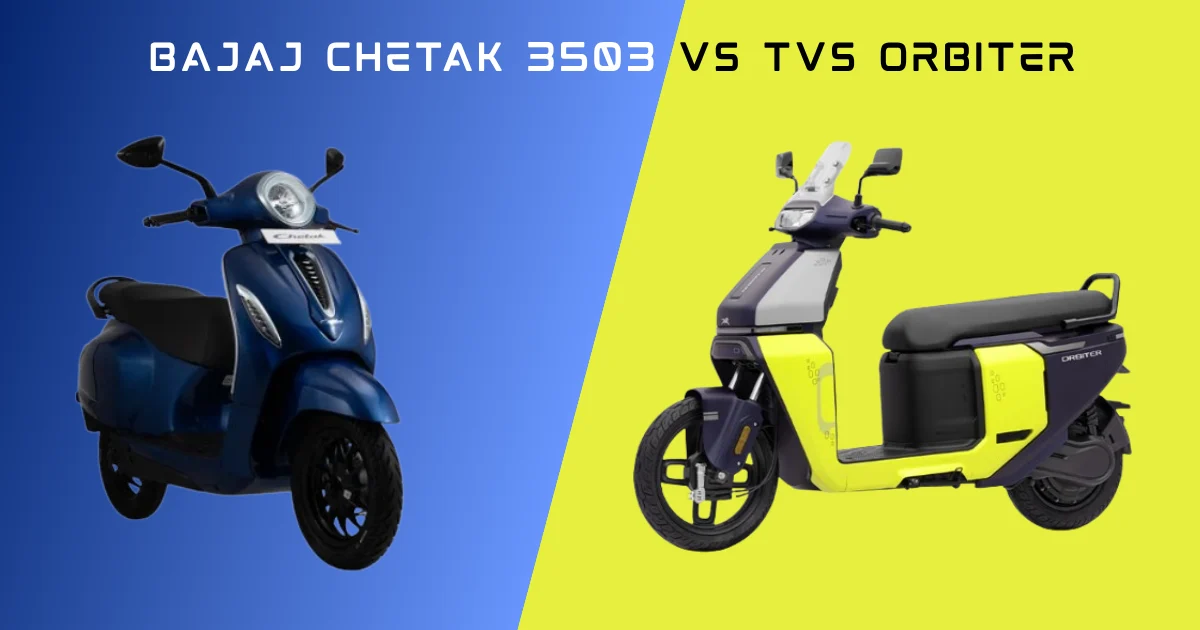
The Indian two wheeler market is undergoing a massive transformation as riders increasingly swap petrol pumps for charging sockets. Among the leaders of this shift are two distinct yet compelling options, the Bajaj Chetak 3503, which leans into its legendary heritage with a premium metal build and the TVS Orbiter a fresh tech forward newcomer designed for the modern city dweller. When navigating this new landscape a detailed comparison of the Bajaj Chetak 3503 vs TVS Orbiter reveals how differently these two brands approach the future of urban mobility.
Whether you are a student looking for your first ride a family person seeking reliability or a delivery professional needing low running costs understanding the nuances of these two electric scooters is essential.
Bajaj Chetak 3503 The Modern Legend with a Metal Heart
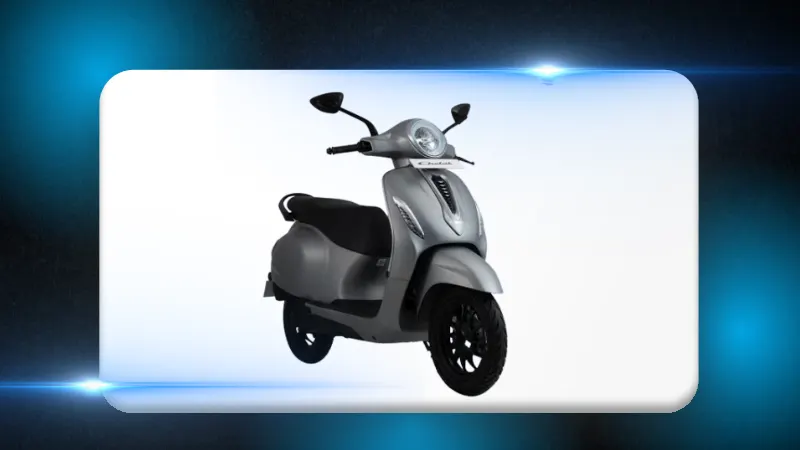
The Bajaj Chetak 3503 is not just an electric scooter for many, it is a nostalgic return of a nameplate that defined Indian mobility for decades. Priced at Rs. 1,14,605 Ex-showroom Delhi it positions itself as a premium yet practical choice. With an onroad price in Delhi reaching approximately Rs. 1,17,429, it is eligible for subsidies like the PM E-DRIVE which can help offset the initial cost.
Performance and Practicality of the Chetak 3503
What truly sets the Chetak apart is its robust steel body providing a sense of stability and durability that many plastic bodied competitors lack. Underneath that classic exterior lies a 3.5 kWh Li-ion battery that powers a BLDC motor delivering a claimed range of 151 km per charge. While its top speed is a modest 63 km/h, users report that it feels smooth and steady making it ideal for navigating dense city traffic.
Key technical highlights include:
- Charging: It takes about 3 hours and 25 minutes to reach an 80% charge.
- Storage: A generous 35 litre under seat compartment is perfect for groceries or a helmet.
- Smart Tech: The scooter features a digital console Bluetooth connectivity for calls and messaging and an anti theft alarm.
- Riding Comfort: It offers Eco and Sport modes along with unique Guide Me Home lights and a Hill Hold feature to prevent rolling back on inclines.
User reviews frequently mention the peaceful and fun riding experience. Many appreciate the high build quality and the old charm it carries though some notes suggest it lacks high end features like cruise control found in newer rivals.
ALSO READ: Bajaj Chetak vs TVS iQube 2026, Build Quality vs Smart Tech, Which EV Scooter Wins India?
TVS Orbiter The Funky Functional Future of City Commuting
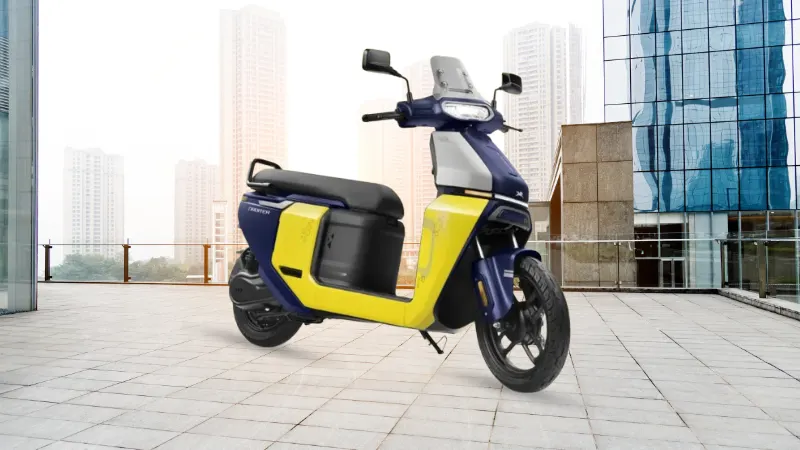
If the Chetak is the refined veteran the TVS Orbiter is the spirited newcomer. Launched in August 2025 the Orbiter is designed to be TVS’s most affordable family oriented electric offering. It stands out with a square and compact design that gives it a significant road presence despite its smaller footprint.
The Orbiter range is split into two main variants:
- Orbiter V1: Features a 1.8 kWh battery with an 86 km range and a top speed of 68 km/h.
- Orbiter V2: Boasts a 3.1 kWh battery and a much higher claimed range of 158 km.
The pricing strategy for the Orbiter is particularly innovative. While the standard V1 starts at Rs. 88,250, TVS has introduced a Battery as a Service (BaaS) model. This allows buyers to purchase the scooter for as low as Rs. 49,999, paying for the battery usage separately which significantly lowers the barrier to entry for EV ownership.
Innovative Ownership and Features of the TVS Orbiter
The Orbiter is packed with features that punch above its weight class. It includes a 5.5 inch LCD cluster with turn by turn navigation geofencing and even crash and fall alerts that send your location to emergency contacts.
Notably it includes cruise control functional between 25 and 60 km/h,a feature often reserved for more expensive models. For stability TVS opted for a 14-inch front wheel which helps the scooter handle speed breakers and city ruts with ease.
Practicality is also a strong suit with 34 litres of storage that can fit two half face helmets. However it does come with trade offs it lacks a front disc brake relying instead on a Synchronized Braking System (SBS) with drum brakes on both ends.
Bajaj Chetak 3503 vs TVS Orbiter Quick Comparison
| Specification | Bajaj Chetak 3503 | TVS Orbiter |
|---|---|---|
| Price (Ex-showroom) | ₹1.1 – ₹1.2 lakh | ₹88,000 – ₹1.05 lakh |
| Battery Capacity | 3.5 kWh | 3.1 kWh |
| Claimed Range | 151 km | 158 km |
| Top Speed | 63 km/h | 68 km/h |
| Motor Power | ~4.2 kW | ~2.5 kW |
| Charging Time (0–80%) | ~3 hr 25 min | ~4 hr 10 min |
| Build Quality | Metal body | Plastic body |
| Brakes | Drum (Front & Rear) | Drum (Front & Rear) |
| Storage Space | 35 litres | 34 litres |
| Display | Digital console | 5.5-inch LCD |
| Smart Features | Bluetooth, Hill Hold | Navigation, Geofencing, Crash Alert |
| Cruise Control | No | Yes |
| Weight | ~120 kg+ (heavier, stable) | Lighter, easier to handle |
| Best For | Family, long-term use | Budget buyers, students |
ALSO READ: TVS Orbiter V1 vs Hero Vida VX2: Range, BaaS Pricing and Price Comparison
Head to Head Which Scooter Wins the City Battle?
When choosing between these two the decision often comes down to your specific needs.
- Range and Efficiency: While the Chetak offers a solid 151 km the TVS Orbiter V2 slightly edges it out with a claimed 158 km. However in real-world city conditions the Orbiter V1 is expected to deliver around 100 km.
- Safety and Build: The Chetak’s metal frame offers a premium, sturdy feel that many riders prefer for long term ownership. The Orbiter while having good build quality for its price uses more plastics and has exposed nuts that some experts feel lower its perceived quality.
- Target Audience: TVS specifically highlights that the Orbiter is an excellent choice for new riders under 18 who can ride it with a special license due to its capped output and delivery agents looking for a low cost practical tool. The Chetak is marketed more toward families and professionals who value the Chetak brand and a more substantial riding feel.
- Running Costs: Both scooters offer massive savings over petrol. For example, the Orbiter’s running cost is estimated at just Rs. 0.18 per km compared to roughly Rs. 1.68 per km for a traditional petrol scooter.
Final Verdict
The Bajaj Chetak 3503 is the go to for those who want a reliable stylish and durable electric scooter that feels like a proper vehicle on the road. On the other hand, the TVS Orbiter is a fantastic value for money proposition especially with the BaaS model offering modern tech features and nimble city handling for a younger or more budget conscious audience.
As the infrastructure for charging continues to grow and government subsidies like the PM e-Drive remain available both scooters represent a smart eco friendly investment for the future of urban travel.
Bajaj Chetak 3503 vs TVS Orbiter FAQS
Which scooter is better for daily commuting?
Both are good but Chetak feels more stable Orbiter is easier in traffic.
Is Bajaj Chetak worth buying in 2026?
Yes, especially if you want durability and premium feel.
What is the real range of TVS Orbiter?
Around 100–120 km in real city conditions.
Is BaaS model safe?
Yes, but monthly cost should be considered before buying.
Which EV scooter is best under ₹1 lakh?
TVS Orbiter is currently one of the strongest options.