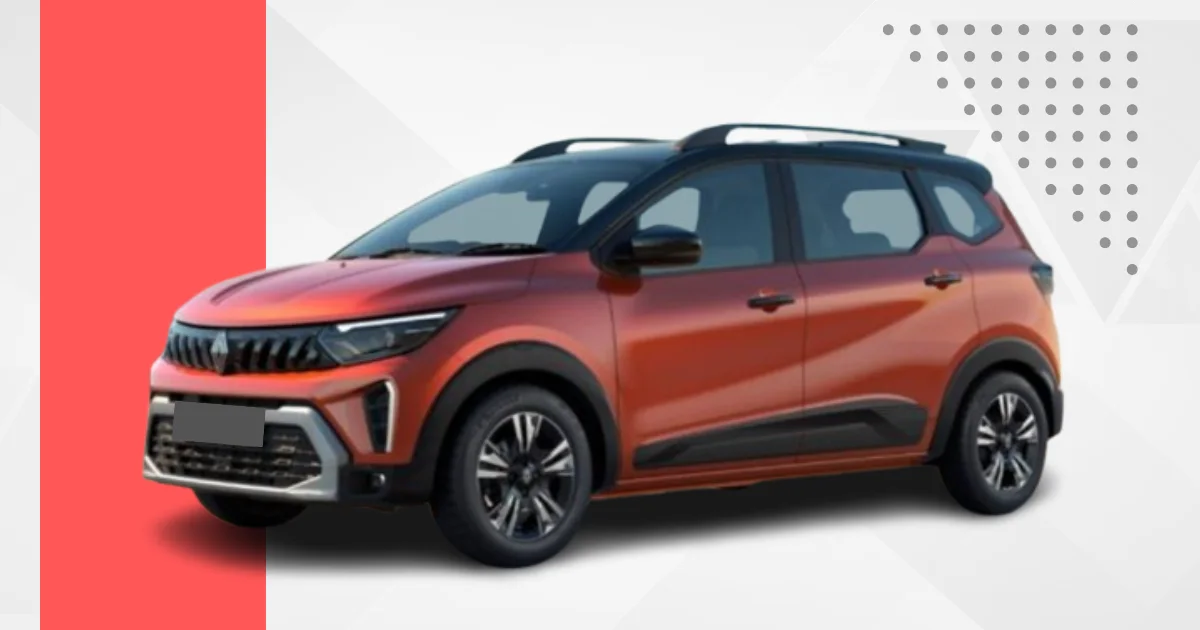
The Renault Triber Turbo Petrol India Launch 2026 is finally addressing the biggest complaint from Indian buyers, which is lack of power in a fully loaded 7 seater. With a new turbo engine and factory-fitted CNG option, this update is aimed at families who want better performance without compromising on practicality.
In this detailed guide, we explain engine specs, mileage expectations, features, pricing, and whether this updated Triber makes more sense for buyers in cities like Kolkata, where daily traffic and occasional highway drives are common.
Engine, Power & Performance
The highlight of the Renault Triber Turbo Petrol India Launch 2026 is the addition of a 1.0 litre turbocharged petrol engine. This is the same unit seen in the Renault Kiger, known for its punchy performance.
- Power: around 100 PS
- Torque: up to 160 Nm
- Gearbox: 5-speed manual and CVT automatic
In real-world conditions, this upgrade should solve the sluggish feel of the current model. When driving with 6–7 passengers, the extra torque will make overtaking easier and reduce stress on highways.
For city driving, the CVT variant will be a major advantage. Stop go traffic becomes smoother, and clutch fatigue is eliminated.
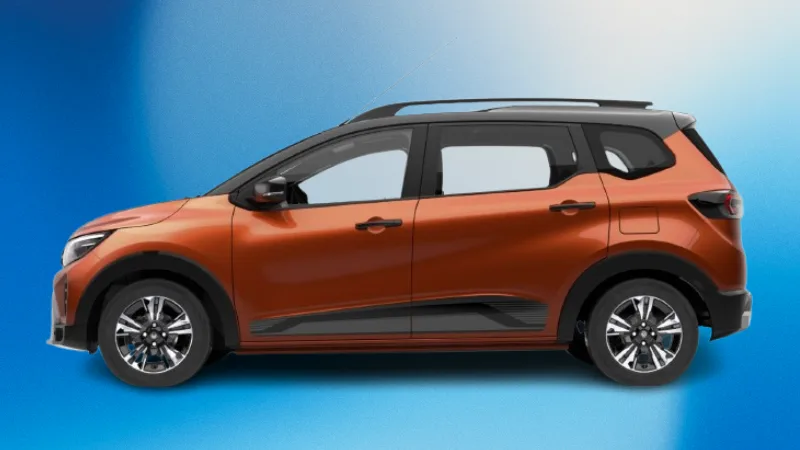
Mileage & Real World Efficiency
The Renault Triber Turbo Petrol India Launch 2026 is expected to offer balanced efficiency despite improved performance.
- Estimated mileage (manual): 18–20 kmpl
- Real-world city: around 14–16 kmpl
- CVT: slightly lower efficiency
For a 7 seater, these numbers are practical. Buyers upgrading from small hatchbacks may see a slight drop in mileage, but the added space and power justify it.
The upcoming CNG variant will target users who want lower running costs, especially for daily office commutes or commercial use.
ALSO READ: 2025 Renault Triber Latest Price in Kolkata – Updated On-Road Cost, Mileage, EMI Offers Revealed
New CNG Variant With Better Space Management
Along with the turbo engine, Renault is introducing a factory fitted CNG option in the Renault Triber Turbo Petrol India Launch 2026 lineup.
Key improvements:
- Dual cylinder setup under the boot
- Better weight distribution
- Minimal impact on luggage space
This is a big step forward compared to dealer installed kits. You still get usable boot space, which is important for family travel.
The CNG version will likely be available only with a manual gearbox and tuned more for efficiency than performance.
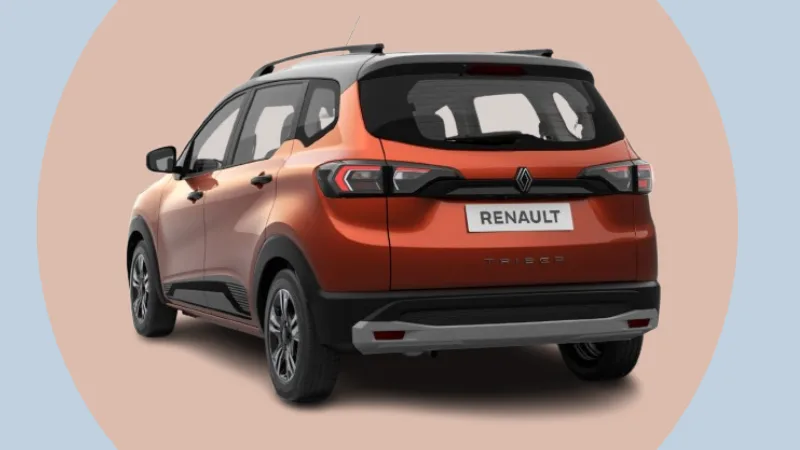
Interior, Features & Practicality
The Triber continues to stand out for its flexible seating layout. This remains unchanged in the Renault Triber Turbo Petrol India Launch 2026 update.
Key highlights:
- 7 seater configuration under 4 metres
- Removable third-row seats
- Up to 625 litres boot space
Higher variants are expected to offer:
- Touchscreen infotainment system
- Wireless connectivity
- Steering mounted controls
- Push button start
For Indian families, especially in urban areas, this flexibility makes the Triber more practical than many hatchbacks and compact SUVs.
ALSO READ: 2025 Renault Triber vs Maruti Suzuki Ertiga – Best MPV for Families?
Safety & Daily Usability
The Triber focuses on essential safety features rather than premium tech.
Expected features:
- Dual airbags
- ABS with EBD
- Rear parking sensors
- Reverse camera
Its compact footprint makes it easy to drive in crowded areas. Parking is simpler compared to larger MPVs, which is useful in cities like Kolkata.
Price, Variants & Value for Money
The Renault Triber Turbo Petrol India Launch 2026 will introduce a premium over the current model.
Expected pricing:
- Turbo manual: around ₹90,000 higher
- Turbo CVT: up to ₹1.9 lakh premium
These variants will likely be limited to top trims like Techno and Emotion.
Even with this increase, the Triber remains one of the most affordable 7 seater cars in India, making it attractive for budget conscious families.
Comparison With Rivals
Here is how the updated Triber compares:
vs Maruti Suzuki Ertiga
- Ertiga offers stronger engine and more space
- Triber is more affordable and compact
vs Maruti Suzuki WagonR (CNG buyers)
- WagonR is cheaper and more fuel-efficient
- Triber offers more seating and flexibility
vs compact SUVs
- SUVs offer better performance and features
- Triber wins on practicality and seating capacity
Practical Buyer Tips Before Booking
If you are planning to buy after the Renault Triber Turbo Petrol India Launch 2026, follow these steps:
Check boot space usability in CNG version
Wait for official festive season pricing
Test drive both turbo and standard versions
Choose CVT if your usage is mostly city driving
Compare on-road prices across dealers
Evaluate CNG only if your monthly running is high
Who Should Buy This Car?
Best suited for:
- Large families on a budget
- City users needing compact 7-seater
- Buyers looking for practical daily transport
Not ideal for:
- Performance-focused drivers
- Buyers wanting premium interiors
- Frequent long-distance highway users
Conclusion
The Renault Triber Turbo Petrol India Launch 2026 is a much needed upgrade that finally makes this MPV more complete. The addition of a turbo engine improves drivability, while the new CNG option adds value for high-usage buyers.
For Indian families, especially those balancing budget, space, and daily usability, the updated Triber makes strong sense. It may not be the most powerful car in the segment, but it delivers where it matters most.
Frequently Asked Questions – Renault Triber Turbo Petrol India Launch 2026
Q1. When will the Renault Triber turbo petrol launch in India?
A: The Renault Triber turbo petrol is expected to launch around September to October 2026, just before the festive season.
Q2. What engine will the new Triber turbo use?
A: It will use a 1.0 litre turbo petrol engine, similar to the one seen in the Renault Kiger, producing around 100 PS and up to 160 Nm torque.
Q3. Will there be an automatic option available?
A: Yes, Renault is expected to offer a CVT automatic gearbox along with the standard 5-speed manual.
Q4. Is a CNG version coming with the new Triber?
A: Yes, a factory fitted CNG variant with a dual cylinder setup is expected, offering better space management and lower running costs.