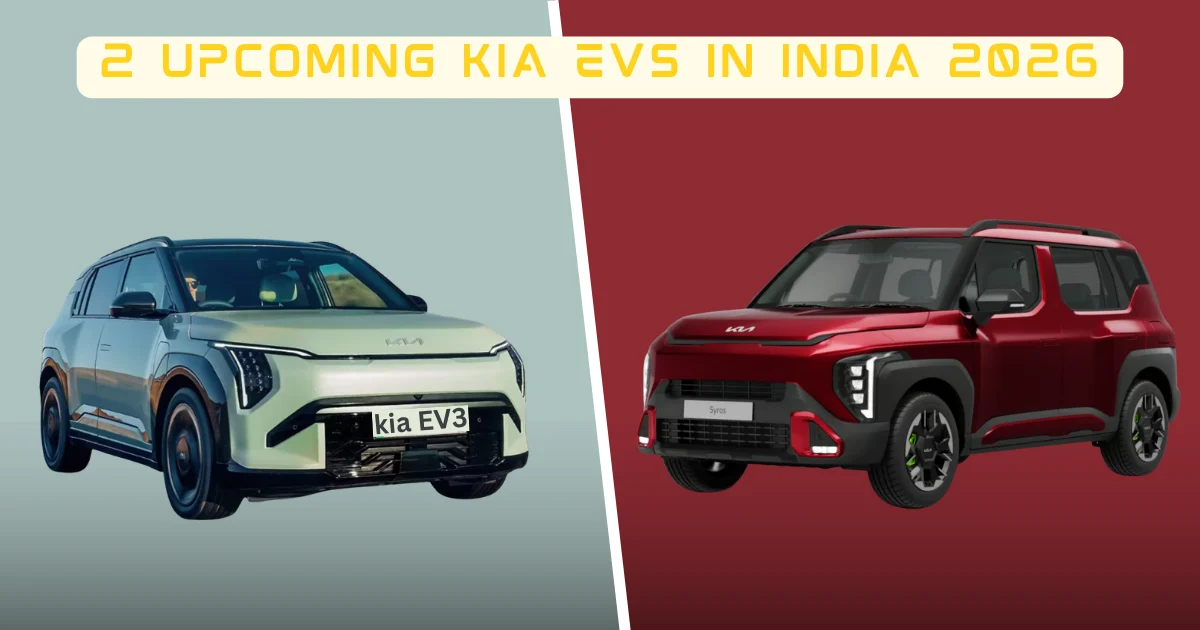
Kia is preparing to launch 2 upcoming Kia EVs in India 2026, and these models could play a key role in shaping the future of car buying in the country. Unlike earlier launches focused on petrol SUVs, Kia is now shifting towards electric mobility.
The two cars at the centre of this plan are the Kia EV3 and the Kia Syros. While the EV3 targets premium buyers with global design and technology, the Syros focuses on practicality and everyday usability for Indian customers.
Why These Two Kia EVs Matter Right Now
India’s EV market is no longer in the early experiment stage. Buyers today are asking real questions:
- How much range will I actually get?
- Is charging practical in my city?
- Will resale value hold?
Kia seems to understand this shift. Instead of launching one expensive EV, the brand is covering two different buyer types:
- Premium, tech-focused buyers → EV3
- Practical, family-oriented buyers → Syros EV
This dual strategy is similar to what brands like Tata and Mahindra are already doing successfully.
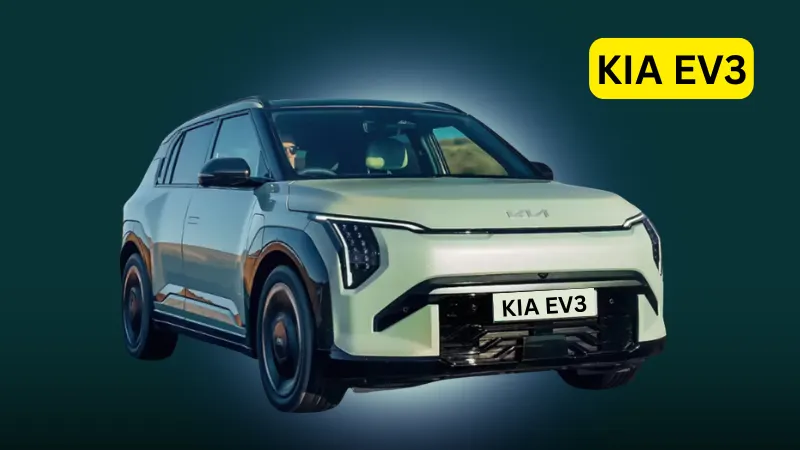
Kia EV3:
The Kia EV3 is not just another small EV. It is a global product that has already built a strong reputation after winning the 2025 World Car of the Year award.
But awards don’t matter much unless the car works in Indian conditions. So let’s look at it from a real buyer perspective.
2 upcoming Kia EVs in India 2026 Design
The EV3 takes inspiration from the EV9, but scales it down intelligently.
- Clean, upright stance gives SUV-like presence
- Star map LED lights add a premium touch
- Flush door handles improve aerodynamics
- Bold wheel arches give it a planted look
In real-world terms, this is a car that will stand out in traffic without looking too flashy.
Interior: Where Kia Is Playing Smart
Instead of going overboard, Kia has focused on usability.
- Triple-screen layout that feels modern but not confusing
- Physical + touch controls balance usability
- Wide dashboard improves cabin openness
- Expected use of sustainable materials
For Indian buyers, this matters because flashy interiors often become difficult to use daily. The EV3 seems more practical.
ALSO READ: Kia India February 2026 Sales Hit Record 27,610 Units With 10.3% Growth
2 upcoming Kia EVs in India 2026 Performance:
On paper numbers look impressive, but here’s what matters in reality.
- 201 bhp is more than enough for city and highway driving
- Instant torque will make overtakes easy
- 0–100 in 7.5 seconds means quick acceleration when needed
This is not a performance EV, but it will feel quick and smooth in everyday driving.
Range:
- Claimed: Up to 600 km (WLTP)
In Indian conditions, expect:
- City: ~450–500 km
- Highway: ~400–450 km
This puts the EV3 in a comfortable zone where range anxiety becomes much less of a concern.
The Real Challenge
Pricing.
At ₹20–25 lakh, buyers will compare it with:
- Larger SUVs
- Proven petrol cars
- Existing EVs with strong resale
So Kia will need to justify the premium with features, brand value, and ownership experience.
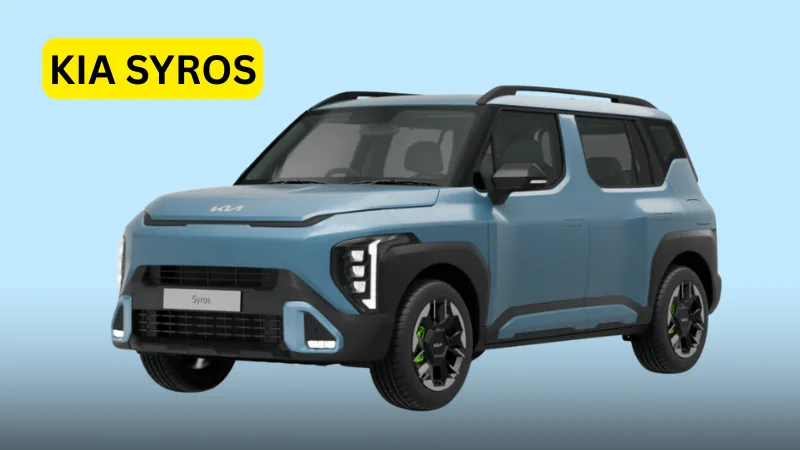
Kia syros:
If the EV3 is about brand image, the Syros EV is about volume and practicality.
This is where Kia is likely to get serious numbers.
Designed for Indian Families
Unlike global EVs, the Syros is being developed with India in mind.
- More rear seat space
- Easier ingress and egress
- Better ground clearance (expected)
- Practical boot space
These are small things, but they matter a lot in daily use.
EV Specs That Actually Make Sense
Instead of chasing big numbers, Kia is focusing on usable performance.
- 42 kWh and 51.4 kWh battery options
- 390–473 km claimed range
Real-world expectation:
- City: 300–400 km
- Highway: 280–350 km
This is ideal for:
- Daily office commute
- Weekend trips
- City-heavy usage
Charging: A Key Factor
- 10–80% in under 60 minutes
- Home charging overnight
For most buyers, this setup is good enough for daily life, especially in metro cities.
Features That Add Real Value
- Level 2 ADAS for safety
- 360-degree camera for city driving
- V2L to power external devices
- Connected tech features
These are not gimmicks. They actually improve daily usability.
Pricing Will Decide Everything
Expected:
- ₹14–20 lakh
At this price, it directly hits:
- Tata Nexon EV
- Mahindra XUV 3XO EV
If Kia prices it aggressively, the Syros EV could become a segment disruptor.
ALSO READ: 2026-2027 Kia Seltos Hybrid India Explained, Features, Specs, Performance and Luxury
2 upcoming Kia EVs in India 2026 compared:
| Factor | EV3 | Syros EV |
|---|---|---|
| Target buyer | Premium, tech-focused | Practical, family |
| Range | Higher | Moderate |
| Price | Higher | More affordable |
| Usage | Urban + highway | Mostly city + occasional trips |
Should You Wait for Kia EVs in 2026?
You should wait if:
- You are planning to shift to EV within 1–2 years
- You want better tech and features
- You drive mostly in city conditions
You can skip waiting if:
- You need a car immediately
- You frequently do long highway drives
2 upcoming Kia EVs in India 2026 Final Verdict
The Kia EV3 and Syros EV India launch 2026 is not just about two cars. It reflects a bigger shift in the market.
- EV3 builds brand value and premium appeal
- Syros EV targets mass adoption
If Kia gets pricing and service network right, these two models could play a major role in pushing EV adoption in India.
2 upcoming Kia EVs in India 2026 FAQs
Are these hybrid cars?
No, both are fully electric vehicles.
Which one is better for daily use?
Syros EV is more practical for daily city use.
Is EV3 worth the premium price?
Yes, if you value tech, design, and longer range.
What about charging in India?
Metro cities are improving fast, but smaller cities still need better infrastructure.