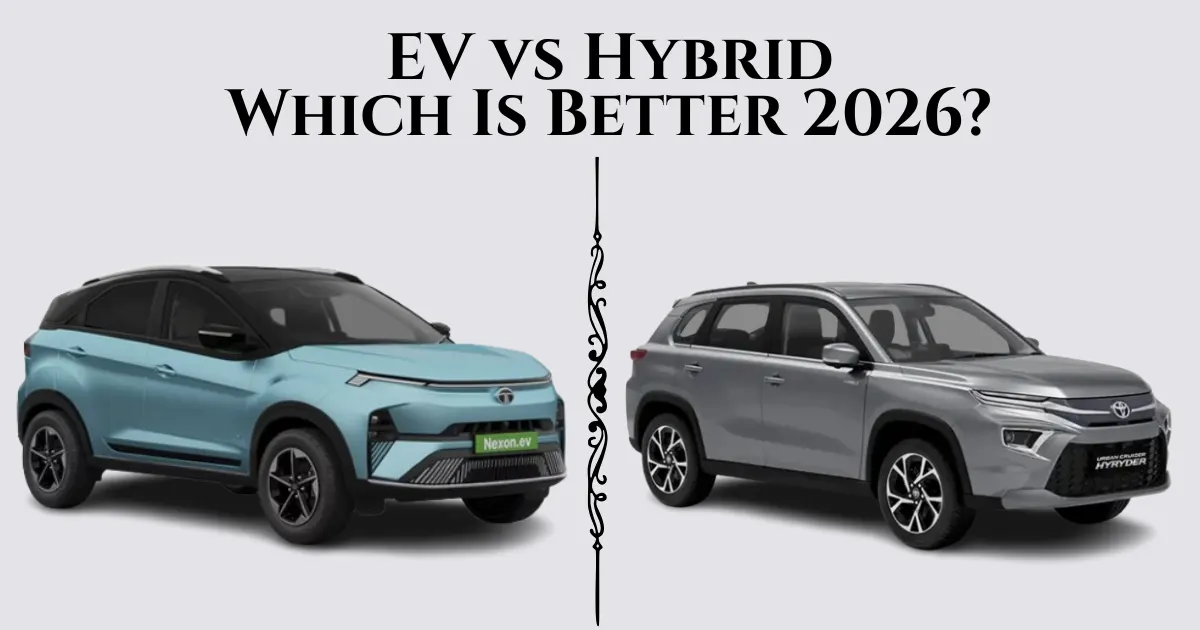
With petrol prices increasing once again, many Indian car buyers are asking the same question: Should you buy an EV or a hybrid after the latest fuel price hike? Just a few years ago, the answer felt straightforward because electric cars still had limitations around charging and range. But things have changed dramatically. Charging networks have expanded, more affordable EVs have entered the market and hybrid technology has also become increasingly popular.
That is exactly why the EV vs Hybrid After Petrol Price Hike debate has become one of the hottest discussions among car buyers today.
The reality is simple: neither technology is universally better anymore. The right choice depends on your driving style, travel frequency and ownership expectations. Someone driving 40 km daily inside city traffic will think very differently compared to a person doing regular intercity road trips.
Instead of following trends, buyers now need to focus on one thing:
How do you actually use your car?
EV vs Hybrid India 2026: Why More Buyers Are Switching
The Indian car market has changed significantly in recent years.
Earlier, most buyers only looked at:
- Mileage
- Purchase price
- Maintenance cost
Today, one more factor has become extremely important:
Long-term running cost.
Fuel prices directly affect monthly expenses. Someone travelling 1,500–2,000 km every month spends a noticeable amount on petrol or diesel.
That is why people searching for Best Car After Petrol Price Hike options are increasingly comparing electric and hybrid vehicles.
Both technologies promise lower fuel bills, but they achieve those savings differently.
EVs rely completely on battery power.
Hybrids combine petrol engines with electric assistance.
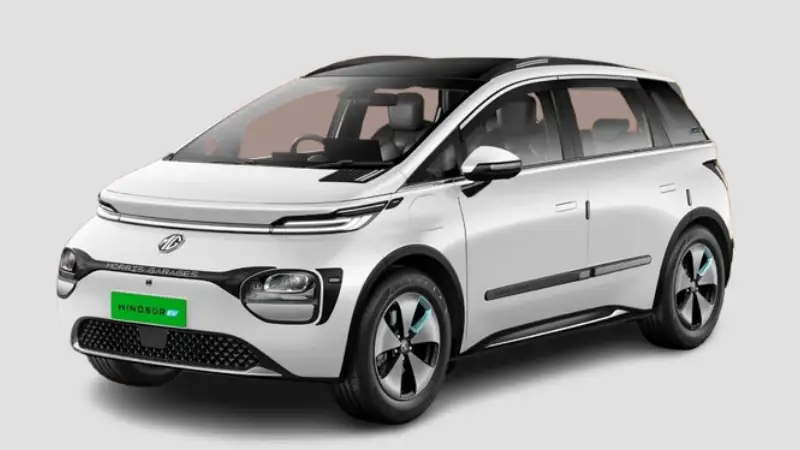
EV vs Hybrid Ownership Cost in India: Which Delivers Bigger Savings?
One of the biggest reasons behind this discussion is ownership cost.
When comparing EV vs Hybrid Running Cost India, electric vehicles generally have lower day-to-day expenses. Charging an EV at home usually costs much less than repeatedly visiting fuel stations.
For city users covering regular distances, monthly savings can become significant over time.
Hybrid cars also reduce fuel expenses, but they still consume petrol. Their electric motors mainly improve efficiency rather than eliminate fuel dependency.
This means:
- EV → Lower running costs
- Hybrid → Better flexibility
Your usage pattern decides which advantage matters more.
ALSO READ: Renault Niagara Pickup Features Revealed: Exciting Hybrid Power, AWD and September Launch Details
EV vs Hybrid for City Driving: Why EVs Make Strong Sense
If your routine includes:
- Office commuting
- School drop-offs
- Grocery runs
- Daily city travel
- Fixed routes
then EV ownership becomes extremely practical.
This is why EV vs Hybrid for City Driving usually leans toward electric cars.
Modern EV ownership no longer feels experimental. Most users simply charge overnight and drive normally the next day.
No fuel stations.
No repeated refills.
No daily petrol worries.
For people researching Electric Car vs Hybrid Car India, EVs often deliver stronger value when driving remains predictable.
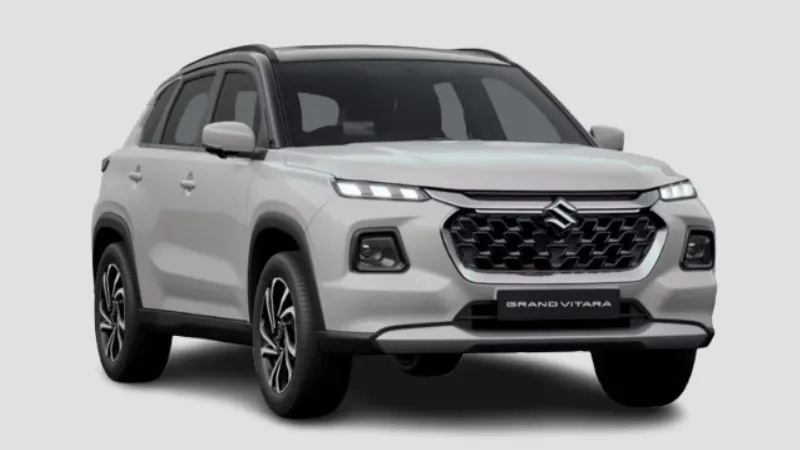
EV or Hybrid for Daily Office Commute?
Many buyers specifically search for EV or Hybrid for Daily Office Commute because work travel creates predictable usage patterns.
A person travelling 30–50 km daily to office generally benefits from EV ownership.
Why?
Because:
- Fixed routes simplify charging
- Home charging becomes convenient
- Running costs stay lower
- Daily savings add up quickly
For office users spending hours in traffic every week, EVs can become extremely economical.
ALSO READ: Next-Gen Tata Tiago EV Exterior Changes Detailed: Exciting New Look Revealed Ahead of 28 May Launch
The Biggest EV Challenge Still Remains Charging
Despite rapid improvements, EV ownership still depends heavily on charging access.
Independent homeowners usually face fewer installation challenges.
Apartment residents sometimes struggle if charging facilities are unavailable.
Public charging infrastructure has improved considerably in India, especially across major cities and highways.
However, depending entirely on public chargers still requires planning.
This remains one of the biggest points in any EV vs Hybrid Car Comparison.
EV vs Hybrid for Highway Driving: Hybrids Still Feel Easier
Highway travel changes the discussion completely.
For buyers regularly driving long distances, convenience often becomes more important than operating cost.
That is where hybrids continue performing strongly.
Unlike EVs, hybrid cars use:
- Petrol engine
- Electric motor
- Battery pack
The battery charges automatically through regenerative braking and driving conditions.
No plug required.
No charging cable.
No charger hunting.
Ownership feels almost identical to driving a normal petrol vehicle.
EV vs Hybrid for Long Distance Travel: Which One Wins?
The EV vs Hybrid for Long Distance Travel debate still slightly favours hybrids in India.
Long road trips with EVs have improved significantly thanks to fast chargers and better battery technology.
However, highway EV travel still requires:
- Route planning
- Charger location checks
- Battery management
- Charging stops
Hybrid owners simply refuel and continue driving.
That convenience remains difficult to ignore.
Hybrid vs Electric Cars: Reasons Hybrids Still Attract Buyers in India
India has unique driving conditions:
- Heavy traffic
- Stop-start movement
- Mixed roads
- Frequent intercity travel
Strong hybrids perform especially well because electric motors assist during low-speed driving.
Some major Hybrid vs Electric Car Benefits include:
- Better fuel efficiency
- No charging routine
- Reduced range anxiety
- Easier highway travel
- Familiar ownership experience
For many users, convenience itself becomes a major benefit.
Is EV Better Than Hybrid in India?
There is no universal answer to Is EV Better Than Hybrid in India because driving patterns differ.
EVs are often better for:
- City users
- Daily commuting
- Home charging owners
- Lower running cost priorities
Hybrids are often better for:
- Highway users
- Frequent travellers
- Buyers avoiding charging dependence
The better technology depends entirely on your lifestyle.
EV vs Hybrid Car Comparison: Which One Fits You Better?
| Your Driving Habits | Recommended Choice |
|---|---|
| Daily city commute | EV |
| Home charging available | EV |
| Fixed routine | EV |
| Long-distance driving | Hybrid |
| Frequent highway trips | Hybrid |
| No charging access | Hybrid |
| Familiar ownership experience | Hybrid |
Final Verdict: Should You Buy EV or Hybrid?
So, Should You Buy EV or Hybrid?
The answer in 2026 is more personal than technical.
If your life revolves around predictable city driving and home charging access, EV ownership can save substantial money.
But if your travel routine changes frequently and long-distance journeys remain common, hybrids continue offering unmatched convenience.
The EV vs Hybrid After Petrol Price Hike discussion is no longer about hype.
It is about choosing technology according to your lifestyle.
And that is where the smartest buying decision begins.
Frequently Asked Questions
Q1. Is EV better than Hybrid in India in 2026?
A: There is no one-size-fits-all answer. If your driving mainly includes city commuting and you have access to home charging, EVs generally make more sense. However, for frequent highway users and long-distance travelers, hybrids still offer greater convenience.
Q2. EV vs Hybrid Running Cost India: Which is cheaper?
A: In the EV vs Hybrid Running Cost India comparison, EVs usually have lower daily running expenses because electricity costs less than petrol. Hybrid cars save fuel too, but they still rely partly on petrol.
Q3. EV or Hybrid for Daily Office Commute: Which should you choose?
A: For fixed office travel of around 30–50 km daily, EVs are often a better option because overnight charging and lower running costs create long-term savings.
Q4. EV vs Hybrid for Long Distance Travel: Which performs better?
A: For regular highway journeys and road trips, hybrids still feel easier because refuelling takes only a few minutes. EVs can also travel long distances, but charging stops require additional planning.
Q5. Should you buy an EV after the latest petrol price hike?
A: If fuel prices continue increasing and your driving remains mostly within city limits, an EV can significantly reduce ownership costs over time.