With petrol and diesel prices climbing once again, Indian buyers are rethinking the economics of car ownership. Running a petrol car for daily commutes is becoming expensive, and with fuel prices in many cities nearing the ₹100-per-litre mark, electric vehicles are starting to look like a smarter long-term investment.
Consumer behaviour is changing rapidly, and the market is already reflecting that momentum. India’s electric vehicle segment is growing rapidly, customer enquiries are increasing, and manufacturers are launching new EVs at a fast pace. However, there is one major problem for budget-conscious buyers: if you’re specifically searching for EV Cars Under ₹10 Lakh India 2026, your choices are still surprisingly limited.
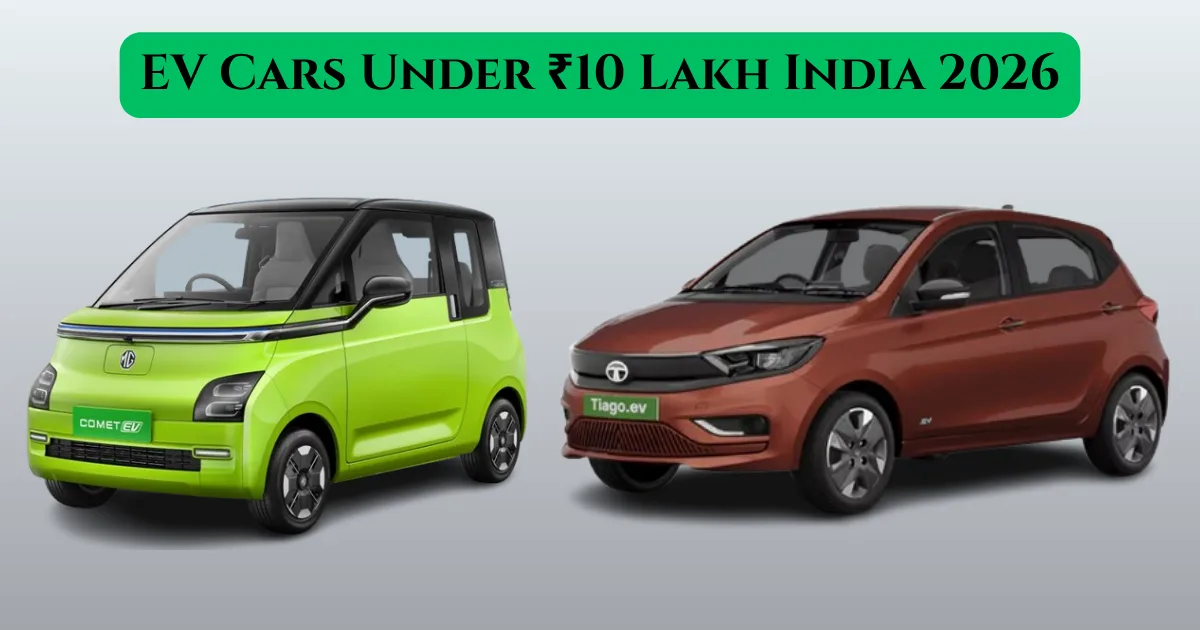
Many people expected the affordable EV segment to explode by now. Instead, the market remains dominated by premium electric SUVs and higher-priced models. For buyers with a strict budget under ₹10 lakh, only three mainstream electric cars currently make the cut MG Comet EV, Tata Tiago.ev, and Tata Punch.ev.
So, are these three enough? Let’s take a deeper look.
Fuel Prices Are Becoming the Biggest Push Towards EV Adoption
On May 15, oil-marketing companies increased fuel prices by ₹3 per litre, marking the first major hike in nearly four years.
Current fuel prices in Delhi:
- Petrol: ₹97.77/litre
- Diesel: ₹90.67/litre
For middle-class families and daily commuters, rising fuel costs directly impact monthly budgets. This is one of the biggest reasons buyers are actively researching EV Cars Under ₹10 Lakh India 2026, hoping to cut ownership costs and reduce dependence on fuel price fluctuations.
The attraction is simple:
- Lower running cost per kilometre
- Reduced maintenance expenses
- Home charging convenience
- Government support for EV adoption
But affordability remains a challenge.
India’s EV Market Is Growing Fast — But Budget Options Aren’t
There is no doubt that electric mobility in India is booming.
According to FADA data:
- Electric passenger vehicle sales jumped 83.63% year-on-year
- Total EV retail sales reached 1,99,923 units in FY26
- EV market share increased from 2.6% to 4.2%
April 2026 also delivered impressive numbers:
- EV passenger vehicle sales increased 75.14%
- Monthly market share touched 5.8%
Industry leadership remains dominated by:
- Tata Motors once again emerged as the undisputed EV leader with 78,811 units sold.
- MG wasn’t far behind either, with JSW MG Motor India posting an impressive 53,089-unit performance.
- Mahindra & Mahindra 42,721 units
- Hyundai Motor India 5,885 units
However, most of these sales come from models priced between ₹10 lakh and ₹30 lakh, including vehicles like Nexon.ev, Curvv.ev, Harrier.ev, MG Windsor, and Mahindra’s latest EV lineup.
This leaves affordable buyers with very few alternatives.
This gap in the market has put the spotlight firmly on EV Cars Under ₹10 Lakh India 2026.
The Only 3 EV Cars Under ₹10 Lakh India 2026
1. MG Comet EV — Affordable Electric Mobility Starts Here
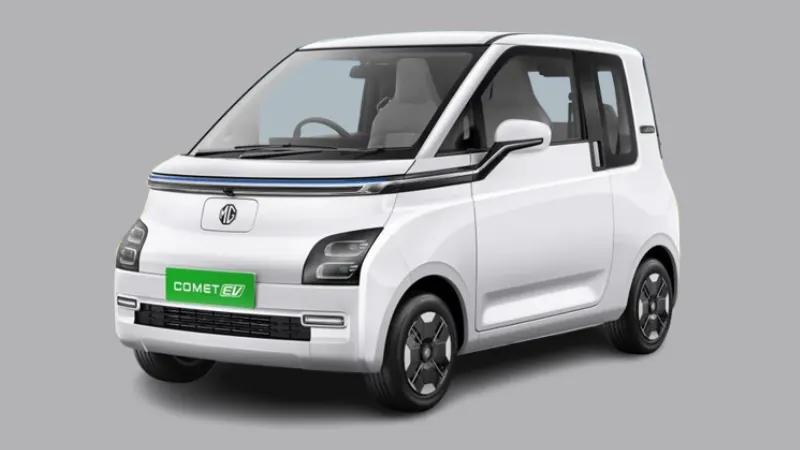
The MG Comet EV remains the most affordable electric passenger car currently available in India.
Price: ₹7.63 lakh (ex-showroom)
MG also offers a Battery-as-a-Service (BaaS) model:
- Vehicle price: ₹4.99 lakh
- Battery rental: ₹3.2/km
Battery and Performance
- 17.3kWh battery pack
- 42PS power
- 110Nm torque
- Claimed range: 230km
Why buyers may like it
Lowest purchase price
Extremely city-friendly dimensions
Easy parking in traffic-heavy cities
Low ownership cost
Drawbacks
Tiny footprint
Small boot space
Limited highway practicality
The Comet EV works best as a dedicated urban commuter.
For many city users exploring EV Cars Under ₹10 Lakh India 2026, this could be the most budget-friendly entry point.
2. Tata Tiago.ev — Practical Family Hatchback
If you prefer a more conventional car design, the Tata Tiago.ev feels more familiar.
Starting Price: ₹7.99 lakh (ex-showroom)
Under ₹10 lakh, buyers mainly get access to the Medium Range version.
ALSO READ: Top 7 SUVs Launching in India in June-July 2026 Price, Features And Which One to Buy
Specifications
- 19.2kWh battery
- 61PS electric motor
- 110Nm torque
- Claimed range: 223km
- Estimated real-world range: around 168km
Unlike the Comet EV, the Tiago.ev behaves like a regular hatchback.
Advantages:
Proper five-seat layout
Better practicality
Familiar driving experience
Family-friendly design
For first-time EV buyers considering EV Cars Under ₹10 Lakh India 2026, the Tiago.ev may feel easier to adapt to.
3. Tata Punch.ev — The Most Complete Package?
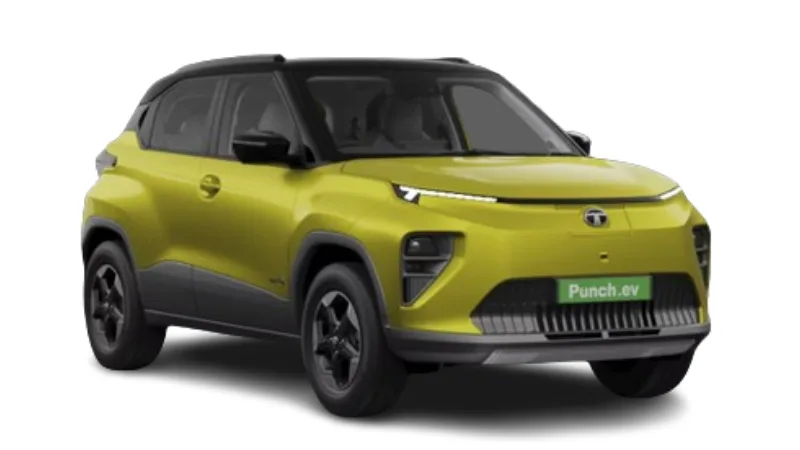
Among all EV Cars Under ₹10 Lakh India 2026, the Tata Punch.ev arguably offers the strongest all-round package.
Starting Price: ₹9.69 lakh (ex-showroom)
Subscription model:
- Vehicle price: ₹6.49 lakh
- Battery rental: ₹2.6/km
Battery and Performance
- 30kWh battery
- 88PS power
- 154Nm torque
- Claimed range: 375km
- Estimated real-world range: around 275km
Why Punch.ev stands out
SUV styling
Better road presence
Bigger battery
Higher range
More practical cabin
For buyers who want a primary family EV rather than a secondary city car, Punch.ev currently feels like the strongest option.
ALSO READ: BMW F 450 GS vs Honda NX500 E-Clutch: The Ultimate Middleweight ADV Battle in 2026
Quick Comparison Table of EV Cars Under ₹10 Lakh India 2026
| Model | Price | Battery | Claimed Range | Estimated Real Range |
|---|---|---|---|---|
| MG Comet EV | ₹7.63 lakh | 17.3kWh | 230km | 180–200km |
| Tata Tiago.ev | ₹7.99 lakh | 19.2kWh | 223km | Around 168km |
| Tata Punch.ev | ₹9.69 lakh | 30kWh | 375km | Around 275km |
Why Are Affordable EVs Still So Rare?
The biggest challenge is battery cost.
Lithium-ion battery packs remain the most expensive component inside an electric vehicle. To offer longer range, manufacturers need larger battery packs, which immediately increases prices.
That creates a difficult balance:
Lower price = Smaller battery = Lower range
This is also why companies focus heavily on premium EVs where profit margins are stronger.
Verdict Time: Which Budget EV Wins the Battle?
India’s EV market is growing rapidly, but affordable buyers still have very limited choices.
If you are comparing EV Cars Under ₹10 Lakh India 2026, here’s the simple answer:
MG Comet EV: Best for city commuters on a tight budget
Tata Tiago.ev: Best practical hatchback option
Tata Punch.ev: Best overall package with stronger range
The demand clearly exists. Now the market simply needs more affordable products.
Until then, these three remain the only serious players in India’s budget EV battle.
Frequently Asked Questions
Q1. Which are the best EV Cars Under ₹10 Lakh India 2026?
A: Currently, the top options include the MG Comet EV, Tata Tiago.ev, and Tata Punch.ev. Among these, the Punch.ev offers the best balance of range, practicality, and SUV appeal.
Q2. Which EV currently holds the title of India’s most affordable electric car?
A: The MG Comet EV is currently the most affordable mainstream electric car in India, with prices starting from ₹7.63 lakh (ex-showroom). MG also offers a battery subscription option to reduce the upfront cost.
Q3. What range can buyers realistically expect from the Tata Punch.ev?
A: The Tata Punch.ev has a certified range of 375km, but in real-world conditions buyers can expect around 250–275km depending on driving style, traffic, AC usage, and road conditions.
Q4. Does buying a sub-₹10 lakh EV make financial sense today?
A: Yes, if your driving is mostly city-based and you have access to home charging. Budget EVs offer lower running costs and reduced maintenance expenses compared to petrol or diesel cars.
Q5. Why are there so few EV Cars Under ₹10 Lakh India 2026?
A: The biggest reason is battery cost. Battery packs remain the most expensive component in electric vehicles. To maintain lower prices, manufacturers often use smaller battery packs, which limits driving range and available features.